Source Anti Snoring Chin Strap for Home, Office, Travel
Compare 30 anti snoring chin strap options from verified Chinese suppliers. These adjustable neoprene and cotton devices help reduce snoring during sleep at home, in the office, or while traveling; compare the available evidence and request quotations based on your requirements.
Key considerations
Products List





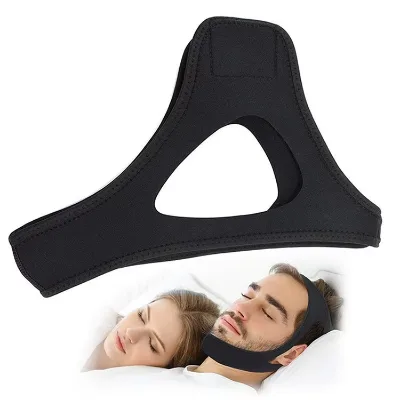
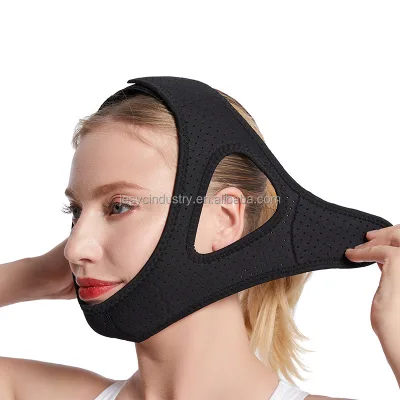


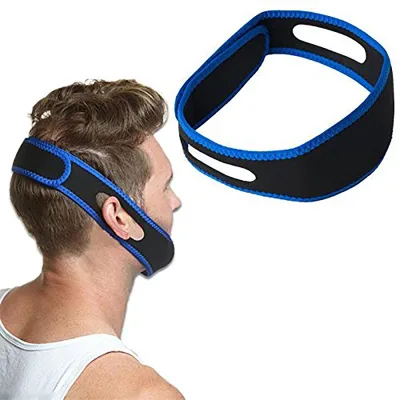
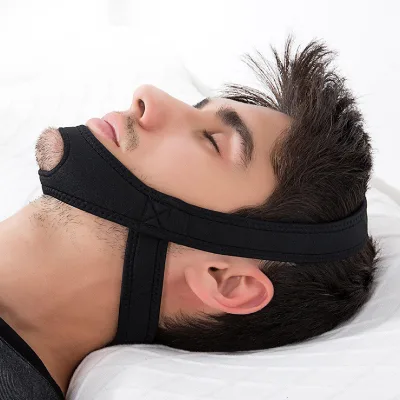
Comprehensive Sourcing Guide
Anti Snoring Chin Strap Sourcing Guide
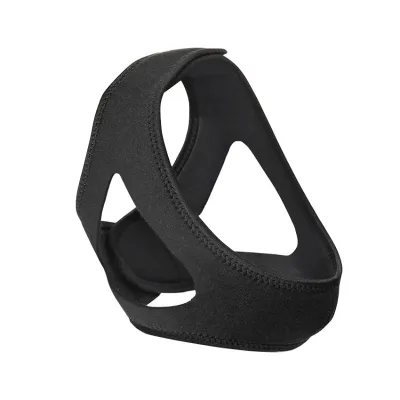
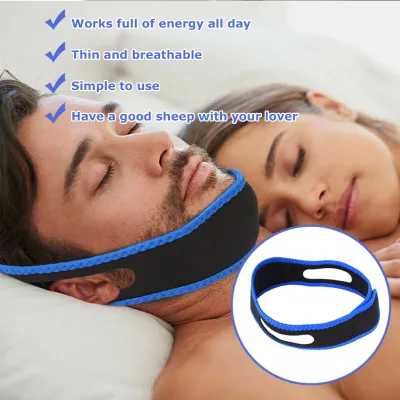
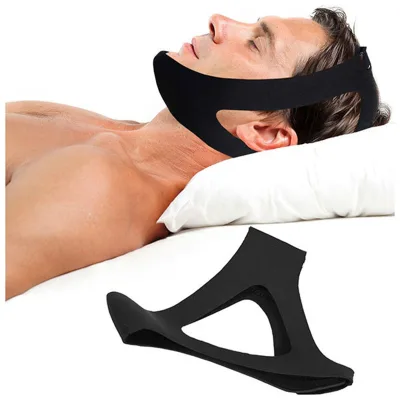
Procuring anti snoring chin straps requires a clear understanding of the product’s mechanical function and material composition to ensure buyer satisfaction. These devices are primarily designed to gently hold the jaw in a closed position during sleep, which helps maintain nasal breathing and reduces the vibration of soft tissues that causes snoring. The core mechanism relies on adjustable straps, often made from neoprene or cotton blends, to provide a secure yet comfortable fit for various head sizes. Buyers must recognize that while these products are marketed as health care instruments, their efficacy varies significantly between individuals, making material comfort and adjustability critical evaluation points during the sourcing process.
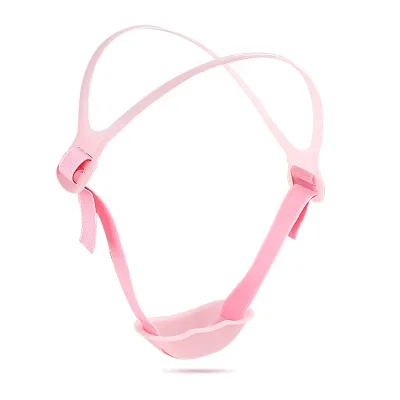
The market offers a diverse range of designs, from simple strap-based chin guards to more complex devices labeled as sleep health care instruments. Sourcing decisions should be guided by the intended end-user demographic, with many listings targeting middle-aged and older adults who may experience increased snoring frequency. It is essential to verify whether the product is a standalone chin strap or part of a broader anti-snoring system, as this distinction impacts packaging, marketing claims, and customer support requirements. Understanding these functional differences allows procurement teams to align their inventory with specific customer needs, whether they are seeking basic comfort solutions or more specialized sleep aids.
Product Scope and Observed Listing Signals
Current market listings indicate a wide variation in product specifications, with observed price points ranging from $0.10 to $2.70 USD and minimum order quantities (MOQs) spanning from 1 to 1,000 units. This broad range suggests a highly fragmented supplier base, offering everything from single-unit samples to bulk wholesale opportunities. Buyers should note that the low-end price points often correlate with basic neoprene or cotton materials, while higher prices may reflect customized packaging or additional features like logo printing. The availability of customization options, including branded packaging and specific color choices such as black or blue, provides flexibility for private label projects but requires careful negotiation of MOQs and setup fees.
Observed product attributes reveal significant diversity in physical characteristics, including single package sizes ranging from 18x13x3 cm to 20x12x3 cm and weights varying from 0.200 kg to 0.600 kg. These variations impact shipping costs and storage requirements, making it crucial for buyers to calculate landed costs accurately based on specific supplier quotes. Additionally, shelf life claims differ across listings, with some products offering a three-year shelf life while others specify only one year. This discrepancy highlights the importance of verifying material stability and expiration policies, especially for buyers planning to hold inventory for extended periods or distribute products to regions with strict regulatory requirements regarding product longevity.
Technical Specifications to Verify
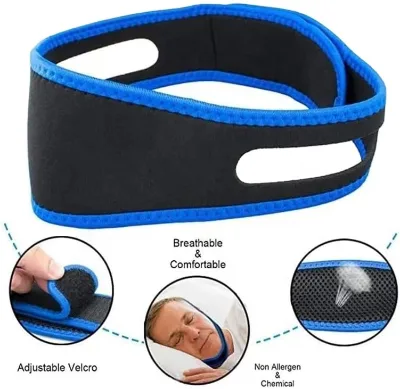
When evaluating technical specifications, buyers must prioritize the material composition and adjustability features of the chin strap. Common materials observed include neoprene and cotton, each offering distinct benefits in terms of durability, breathability, and skin comfort. Neoprene provides elasticity and water resistance, making it suitable for active sleepers, while cotton offers a softer, more breathable alternative for sensitive skin. Buyers should request detailed material specifications to ensure the product meets comfort standards, as improper material choice can lead to customer complaints regarding skin irritation or discomfort during prolonged use. Verifying the exact composition helps in assessing the product’s longevity and suitability for different climate conditions.
Adjustability and sizing are critical technical factors that directly influence product return rates and customer satisfaction. Most listings describe the product as "unisize" or "one size fits all," but actual fit can vary significantly based on head circumference and jaw structure. Buyers should verify the strap length, with some models specifying a length of 69 cm, and confirm the presence of adjustable mechanisms such as Velcro or elastic bands. Additionally, the item form, whether described as a pad, strip, or complete strap assembly, affects the ease of use and effectiveness of the device. Ensuring that the product includes clear sizing guides or adjustable features can mitigate fit-related issues and enhance the overall user experience.
Compliance and Safety Documentation
Compliance and safety documentation are paramount when sourcing health-related devices, even those classified as general wellness products. Buyers should verify that suppliers possess relevant certifications, such as CE marking, which indicates conformity with health, safety, and environmental protection standards for products sold within the European Economic Area. Additionally, ISO quality certifications may be present, signaling that the manufacturer adheres to international quality management standards. These certifications provide a baseline assurance of product safety and manufacturing consistency, reducing the risk of regulatory issues in target markets. Buyers must request valid certification documents and verify their authenticity with the issuing bodies to ensure compliance.
Beyond certifications, buyers should inquire about specific safety tests and material safety data sheets (MSDS) for the components used in the chin strap. Since the product comes into direct contact with the skin and face, it is essential to ensure that materials are free from harmful chemicals, allergens, or irritants. Buyers should also check for any specific regulatory requirements in their target markets, such as FDA registration in the United States or similar health authority approvals elsewhere. Understanding these regulatory landscapes helps in avoiding legal pitfalls and ensures that the products can be legally marketed and sold without facing customs delays or consumer protection issues.
Cost Drivers and Commercial Terms
Cost drivers for anti snoring chin straps include material selection, customization levels, and order volume. Basic neoprene or cotton straps with minimal customization typically command lower prices, while products featuring custom packaging, logo printing, or specialized materials incur higher costs. Buyers should analyze the total cost of ownership, including shipping, tariffs, and potential return costs, rather than focusing solely on the unit price. The observed MOQ range of 1 to 1,000 units allows for flexible ordering, but larger orders often yield better per-unit pricing. Negotiating volume discounts and understanding the cost implications of customization can significantly impact the overall profitability of the sourcing project.
Commercial terms such as payment methods, lead times, and return policies are critical components of the sourcing agreement. Buyers should clarify the payment terms, such as deposit requirements or letter of credit options, to manage cash flow effectively. Lead times can vary based on production capacity and customization needs, so it is essential to establish clear delivery schedules to avoid stockouts. Additionally, understanding the supplier’s return and warranty policies is crucial for managing customer satisfaction and handling defective products. Establishing a robust commercial agreement that addresses these variables helps in building a sustainable and reliable supply chain for anti snoring chin straps.
Supplier Qualification and Quality Control
Supplier qualification involves assessing the manufacturer’s production capabilities, quality control processes, and track record. Buyers should verify the supplier’s location, with many manufacturers based in regions like Fujian and Henan in China, and evaluate their ability to meet specific quality standards. Requesting samples is a critical step in this process, allowing buyers to physically inspect the product’s material quality, stitching, and adjustability mechanisms. Buyers should also inquire about the supplier’s quality control procedures, including in-process inspections and final random inspections, to ensure consistency across production batches. A robust quality control system minimizes the risk of receiving defective products and enhances overall supply chain reliability.
Building a strong relationship with suppliers through clear communication and mutual expectations is essential for long-term success. Buyers should establish clear specifications and quality benchmarks in their purchase orders and maintain open lines of communication regarding any issues or changes. Regular audits or third-party inspections may be necessary for large-volume orders to ensure ongoing compliance with quality standards. Additionally, buyers should assess the supplier’s responsiveness and problem-solving capabilities, as these factors are crucial for addressing any production delays or quality issues that may arise. A proactive approach to supplier management helps in fostering a collaborative partnership that supports continuous improvement and operational efficiency.
Long-Term Procurement Checks
Long-term procurement checks involve monitoring market trends, customer feedback, and regulatory changes to ensure the continued relevance and compliance of the sourced products. Buyers should regularly review customer reviews and return reasons to identify any recurring issues with fit, comfort, or durability. This feedback loop is essential for making informed decisions about product improvements or supplier changes. Additionally, staying updated on regulatory changes in target markets is crucial, as health and safety standards may evolve over time. Proactively addressing these changes helps in maintaining compliance and avoiding potential disruptions to the supply chain.
Continuous evaluation of supplier performance is also vital for long-term procurement success. Buyers should track key performance indicators such as on-time delivery rates, product quality consistency, and responsiveness to inquiries. Regular supplier reviews and performance assessments help in identifying areas for improvement and reinforcing high standards. Additionally, exploring alternative suppliers or product variations can provide flexibility and mitigate risks associated with single-source dependencies. By maintaining a dynamic and responsive procurement strategy, buyers can ensure a steady supply of high-quality anti snoring chin straps that meet evolving customer needs and regulatory requirements.
FAQs
How does an anti snoring chin strap work?
The strap wraps around the head and chin to hold the jaw in a stable, closed position during sleep, which helps keep the airway open and reduces mouth breathing that often causes snoring. It is worn on the head, adjustable for a secure fit, and works best for people who snore mainly through the mouth rather than the nose.
What material is used for the adjustable anti snore chin strap?
Most listings describe neoprene as the main material, with some cotton variants also offered. Neoprene is soft, flexible, and comfortable for overnight wear on the head. Buyers should confirm the exact material with each supplier before ordering, since different models and factories may use slightly different fabric blends and thicknesses.
Can the chin strap be customized with my brand or packaging?
Yes, customization is available from listed suppliers. Products typically ship without logo printing in OPP bags or a customized box, so buyers can request branded packaging and logo printing during negotiation. Logo customization, packaging design, and printing requirements should be confirmed with the supplier in writing before placing a bulk order to ensure accuracy.
What is the typical minimum order quantity for anti snoring chin straps?
MOQs vary widely among listed suppliers, ranging from as low as 1 piece for sampling up to 1000 pieces for bulk orders, with some listings showing an MOQ of 10. Low MOQs make it easy to test demand first, while larger orders usually unlock better per-unit pricing. Always confirm the exact MOQ directly with the supplier.
Which certifications do these anti snoring chin strap products have?
Listed products commonly show CE certification, and some listings also reference ISO quality certification. Certifications can differ by model and supplier, so buyers should request valid, current certificates matching the specific model number before ordering. This is especially important for markets with regulated import requirements for sleep health care products.
What sizes and packing options are available for chin straps?
Most straps are unisize, one size fits all, with some models listed at 69cm or 27.16 inches and adjustable features for fit. Standard packing is one piece per OPP bag, with customized boxes available on request. Single package sizes are typically around 18X13X3 cm or 20X12X3 cm with gross weights from 0.2 to 0.6 kg.
How long is the shelf life of these anti snoring devices?
Shelf life varies by listing, with some products rated for 3 years and others for 1 year. Differences may relate to materials or product form, such as pads or strips versus fabric straps. Buyers should confirm shelf life and storage guidance for the exact model they intend to purchase, particularly for larger inventory orders.